How to Clean Grease Stains off Commercial Kitchen Patios
Operating a hospitality venue in Byron Bay means managing high foot traffic, outdoor dining, and an exceptional standard of cleanliness. From busy cafes along Jonson Street to beachfront eateries near Main Beach, the connection between kitchen prep areas and outdoor dining patios often becomes a hotspot for stubborn grease tracks. In Byron Shire, where eco-conscious https://lorenzodkcx458.iamarrows.com/7-expert-secrets-to-clean-oil-stains-off-garage-pavers patrons and strict environmental regulations govern commercial wastewater, tackling patio grease requires effective, compliant, and practical methods.
Why Immediate Grease Removal Matters
In our subtropical coastal climate, high ambient temperatures bake oil, fat, and cooking residue deep into porous surfaces like concrete, exposed aggregate, and sandstone pavers. Leaving grease untreated creates severe slip-and-fall risks under SafeWork NSW regulations. Furthermore, with Byron Bay's direct proximity to marine reserves, allowing oily runoff to enter local stormwater drains violates Byron Shire Council environmental mandates, which can lead to substantial fines.

Step-by-Step Grease Cleaning Process
To safely eliminate grease without damaging your substrate or washing harmful contaminants into the street drainage, follow this industry-tested protocol:
- Absorb Standing Oil Immediately: If you are dealing with a fresh spill, apply an absorbent compound such as diatomaceous earth, bentonite clay, or specialized commercial spill pads. Allow it to sit for 20 minutes to draw out surface liquid before sweeping it into disposal bins.
- Apply an Eco-Friendly Degreaser: Avoid harsh, petroleum-based solvents. Opt for an industrial-strength, citrus-based or bio-enzymatic degreaser certified for commercial use. These break down animal fats and vegetable oils without releasing toxic chemical fumes near outdoor diners.
- Agitate with a Stiff Deck Broom: Work the solution deep into the pores of the patio slab using circular motions. Allow a dwell time of 15 to 20 minutes to emulsify the hardened grease, ensuring the chemical does not dry on the surface.
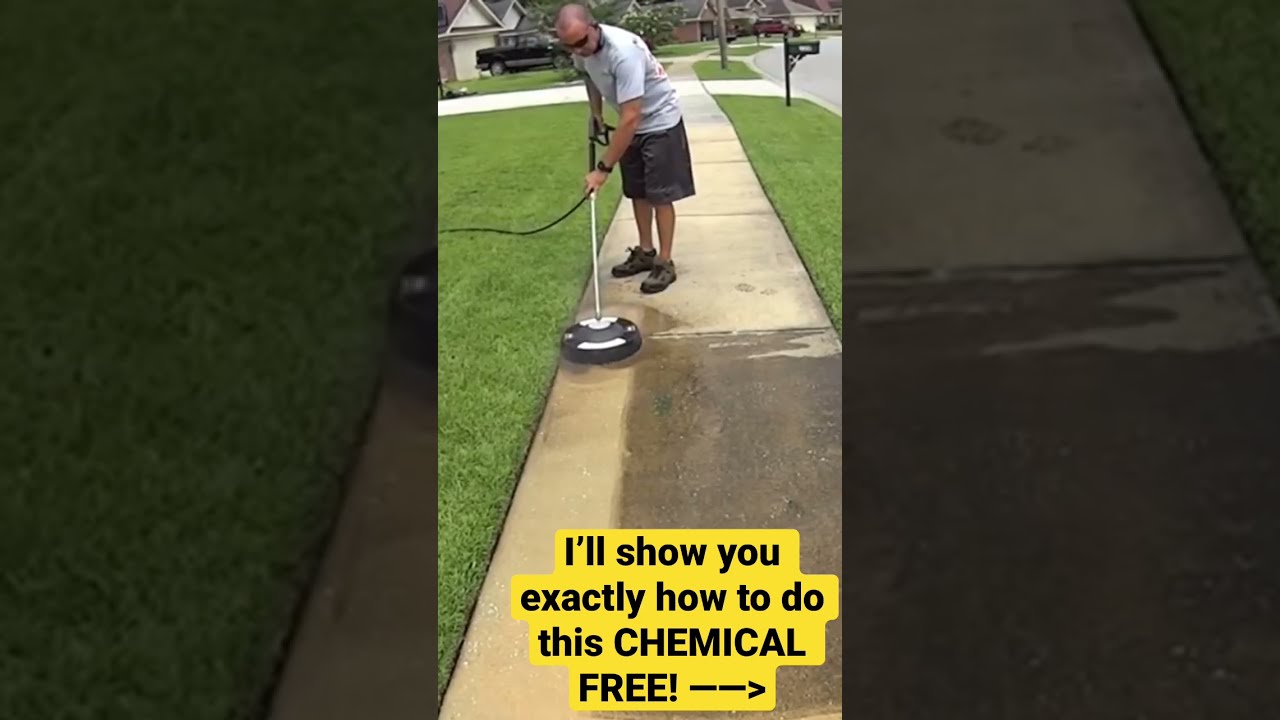
- Hot-Water Extraction: Cold water pushes oil around; hot water (above 80 degrees Celsius) melts and lifts it. Use a rotary surface cleaner attached to a hot-water pressure unit to rinse the area thoroughly while capturing the wash water.
Preventing Stubborn Buildup on Outdoor Patios
Consistency is key to keeping kitchen-adjacent patios clean and safe throughout the busy summer and holiday periods. Setting up preventative protocols minimizes the need for aggressive, costly deep cleans.
- Install Heavy-Duty Entry Mats: Place grease-resistant, drainage-backed rubber mats directly outside kitchen egress doors to catch kitchen oil from staff footwear before it reaches the patio.
- Seal Porous Paving: Apply a breathable, penetrating oil-repellent sealer every two to three years to stop hydrocarbons from soaking into the sub-base of the concrete.
- Implement Nightly Spot Cleaning: Add outdoor threshold scrubbing to the kitchen closing checklist using a mop charged with enzymatic cleaner.
- Secure Waste Cooking Oil Storage: Ensure grease bins and tallow collection tanks located near outdoor service areas feature secure lids and bunded secondary containment.
Professional Commercial Cleaning in Byron Bay
When heavy, ground-in oil creates dark shadows that basic scrubbers cannot shift, professional intervention is necessary. Certified local cleaning specialists employ trailer-mounted hot-water pressure washers equipped with complete wastewater recovery systems. This guarantees your commercial patio remains spotless, slip-resistant, and completely compliant with local eco-guidelines.
Byron Bay Pressure Cleaning Pros
0440 133 038